Resources

Client Alerts, News Articles, Blog Posts, & Multimedia

Everything you need to know about BMD and the industry.

Another Drug Manufacturer Pursues Rebate Program as 340B Alternative

Client Alert

Some of the nation’s largest drug manufacturers are forging ahead to implement rebate programs for 340B drugs, even after the federal government has called these programs illegal.
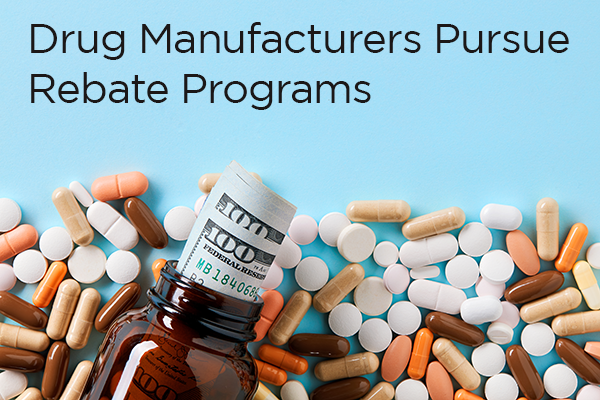
In August 2024, Johnson & Johnson first announced its plan to implement a drug rebate program for 340B drugs whereby the manufacturer would charge buyers full price for drugs and offer a back-end rebate, instead of allowing safety net providers to purchase outpatient drugs at lower costs, as they have done since the program’s inception.

In response, the Health Resources and Services Administration (HRSA), the federal agency that oversees the 340B drug pricing program, deemed Johnson & Johnson’s rebate program illegal, prompting Johnson & Johnson to initially revoke the rebate plan. However, Johnson & Johnson had a change of heart and on November 12, 2024, filed a lawsuit to challenge HRSA’s decision.

Emboldened, other drug manufacturers have begun to implement drug rebate programs. On November 26, 2024, Bristol Myers Squibb filed a lawsuit against HRSA, asking the federal court to deem its rebate program legal and prevent U.S. Department of Health and Human Services from taking agency action to invalidated rebates.

While it is unclear how these federal courts will rule, these lawsuits signal a desire by drug makers to change how they offer 340B drug discounts to health care providers that operate using scarce federal resources, a move that could threaten the sustainability of safety net providers and the patients they serve.

If you have questions about these lawsuits, or the 340B program in general, please contact Member Daphne Kackloudis at dlkackloudis@bmdllc.com or Attorney Jordan Burdick at jaburdick@bmdllc.com.


Enhancing Privacy Protections for Substance Use Disorder Patient Records

On February 8, 2024, the U.S. Department of Health and Human Services (“HHS”) finalized updated rules to 42 CFR Part 2 (“Part 2”) for the protection of Substance Use Disorder (“SUD”) patient records. The updated rules reflect the requirement that the Part 2 rules be more closely aligned with the Health Insurance Portability and Accountability Act of 1996 (“HIPAA”) privacy, breach notification, and enforcement rules as mandated by the Coronavirus Aid, Relief, and Economic Security Act of 2020.

Columbus, Ohio Ordinance Prohibits Employers from Inquiries into an Applicant’s Salary History

Effective March 1, 2024, Columbus employers are prohibited from inquiring into an applicant’s salary history. Specifically, the ordinance provides that it is an unlawful discriminatory practice to:

The Ohio Chemical Dependency Professionals Board’s Latest Batch of Rules: What Providers Should Know

The Ohio Chemical Dependency Professionals Board has introduced new rules and amendments, covering various aspects such as CDCA certificate requirements, expanded services for LCDCs and CDCAs, remote supervision, and reciprocity application requirements. Notable changes include revised criteria for obtaining a CDCA certification, expanded services for LCDCs and CDCAs, and updated ethical obligations for licensees and certificate holders, including non-discrimination, confidentiality, and anti-sexual harassment measures.

Governor Mike DeWine and The Ohio State University Introduce the SOAR Study on Ohio Mental Illness

On January 19, Ohio Gov. Mike DeWine and The Ohio State University announced a new research initiative, the State of Ohio Adversity and Resilience (“SOAR”) study, which will investigate all factors influencing Ohio’s mental illness and addiction epidemic.

CHANGING TIDES: Summary and Effects of Burnett et. al. v. National Ass’n of Realtors, et. al.

In April 2019, a class-action Complaint was filed in federal court for the Western District Court for Missouri arguing that the traditional payment agreements employed by many across the United States amounted to conspiracy resulting in the artificial increase in brokerage commissions. Plaintiffs, a class-action group comprised of sellers, argued that they paid excessive brokerage commissions upon the sale of their home as a result of the customary payment structure where Sellers agree to pay the full commission on the sale of their property, with Seller’s agent notating the portion of commission they are willing to pay to a Buyer’s agent at closing on the MLS or other similar system.