Immigration Orders and Their Economic Impact on Small Business: Insights from Attorney and Former Immigration Judge Rob Ratliff
Client Alert
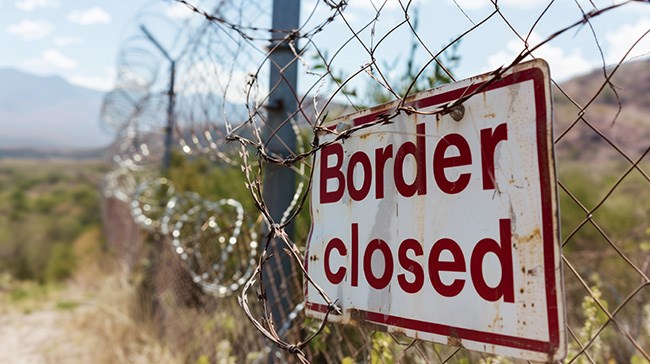
In his second term, President Donald Trump has issued a series of executive orders that significantly alter the landscape of immigration policy in the United States. What will the impact of those orders look like in our local communities? Below, we summarize these key orders:
- Enhanced Vetting of Visa Applicants - This order mandates stricter "enhanced vetting" for all visa applicants, focusing on thorough checks that could delay visa processing and increase scrutiny at entry points.
- Termination of Birthright Citizenship - Targeting the 14th Amendment's guarantee of citizenship to those born on U.S. soil, this order seeks to deny citizenship to children of non-citizen parents, effective 30 days post-signing. Legal challenges are expected due to its constitutional implications.
- Border Security and National Emergency Declaration - Declares a national emergency at the southern border, allowing for military deployment and the construction of additional barriers, with a focus on immediate removal of undocumented immigrants.
- Suspension of U.S. Refugee Admissions Program (USRAP) - Temporarily halts the refugee program from January 27, 2025, with potential for case-by-case admissions at the discretion of DHS and State Department.
- Asylum Policy Overhaul - Revokes previous policies allowing asylum seekers entry, reinstates the "Remain in Mexico" policy, and aims to end "catch and release", potentially blocking asylum seekers at the border.
- Revocation of Previous Immigration Executive Orders - Repeals numerous Biden-era executive orders on immigration, including those on enforcement priorities, refugee resettlement, and family reunification.
- Designation of Cartels as Foreign Terrorist Organizations - Labels certain international cartels as terrorist groups, enabling broader legal actions against members and supporters.
- Trade Policy Review and Immigration - Initiates a review of trade agreements like USMCA, potentially affecting visa statuses like TN, E, and H-1B1 visas.
- End of CBP One App and Parole Programs - Terminates the use of the CBP One app for scheduling asylum appointments and ends categorical parole programs for migrants from select countries.
- Homeland Security Task Forces - Establishes task forces to enhance cooperation between federal, state, and local law enforcement to remove undocumented individuals.
Impact on Small Businesses Owned by Individuals Without Legal Status:
The collective impact of these executive orders could be profound for small businesses owned by individuals without legal status. Here is a brief assessment:
- Increased Enforcement and Raids: The focus on detention and deportation could lead to fear among undocumented business owners, potentially reducing workforce participation or leading to business closures due to raids or the threat thereof.
- Visa Processing Delays: Enhanced vetting could slow down or complicate visa renewals or applications for employees, affecting business operations, particularly in sectors reliant on foreign labor.
- Loss of Business Confidence: The uncertainty and fear of deportation might lead to a decrease in entrepreneurial activity among undocumented immigrants, impacting local economies.
- Legal Status Challenges: The proposed changes to birthright citizenship could affect family stability, potentially influencing business decisions and future planning.
For Ohio, according to the American Immigration Council's data, approximately 8.3% of the state's small businesses are owned by immigrants. While exact numbers for undocumented immigrant business owners are not distinctly tracked, if we estimate based on national proportions (where around 20% of immigrant business owners might be undocumented), Ohio could see significant economic impacts. The Small Business Administration, SBA, indicates, immigrant owners consist of roughly 18% of business owners with employees and almost 23% of business owners without employees. Immigrant-owned businesses are found in every sector of the U.S. economy. Immigrants made up 36.8% of employer businesses in accommodation and food services. Transportation and warehousing had the largest share of immigrant nonemployer business owners at 46%.
Assuming there are about 100,000 immigrant-owned businesses in Ohio (based on various studies), around 20,000 could be owned by undocumented individuals. These businesses contribute significantly to the state's economy, with an estimated $3.5 billion in income from immigrant entrepreneurship annually, affecting job creation, tax revenue, and local spending.
In 2012, the State of Alabama experimented with at the time, the nation's strictest immigration laws. While those laws were eventually declared unconstitutional by the Court, in the months that followed the laws' passage, the State lost numerous small businesses. One study predicted the economic impact at the time to be $10.8 billion, or 6.8% of the State's GDP.
This scenario suggests a potential economic downturn for Ohio if business operations are disrupted or if owners leave or cease operations due to immigration enforcement pressures. The exact impact would depend on the implementation and legal outcomes of these executive orders, but the overarching message is clear: small businesses owned by undocumented immigrants are at risk, potentially leading to economic ripple effects in communities across Ohio.
For guidance on how these executive orders may impact your business or immigration status, please contact BMD Member Robert Ratliff at raratliff@bmdllc.com. With over 25 years of trial experience in criminal defense and immigration law, Robert’s unique insights as a former Immigration Judge allow him to offer strategic guidance for clients facing complex immigration challenges.