Implications of Supreme Court Stay for Business Operations in Noem v. Vasquez Perdomo
Client Alert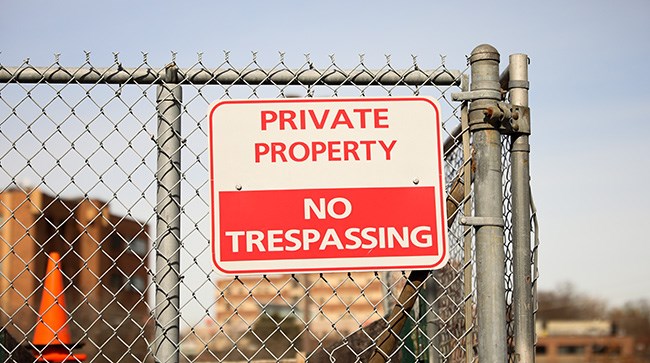
Summary of the Ruling
On September 8, 2025, the U.S. Supreme Court granted the government's application for a stay in Noem v. Vasquez Perdomo, No. 25A169. This stays (temporarily halts) a July 11, 2025, injunction issued by the U.S. District Court for the Central District of California (covering Los Angeles, Ventura, Santa Barbara, San Luis Obispo, Orange, Riverside, and San Bernardino counties). The district court's injunction had prohibited U.S. immigration officers (e.g., ICE) from conducting brief investigative stops to check immigration status based on factors such as:
- Presence at specific locations (e.g., bus stops, car washes, day laborer pickup sites, agricultural fields).
- Type of work (e.g., construction, landscaping, agriculture, or jobs not requiring paperwork).
- Speaking Spanish or English with an accent.
- Apparent race or ethnicity.
The stay allows these stops to resume pending the government's appeal in the Ninth Circuit and any potential Supreme Court review. Justice Kavanaugh's concurrence emphasizes that such stops, based on "reasonable suspicion" under precedents like United States v. Brignoni-Ponce (1975), are a longstanding tool for immigration enforcement, particularly in high-immigration areas like Los Angeles, where an estimated 10% of the population (about 2 million people) may be undocumented. The Court found the government likely to succeed on appeal due to plaintiffs' potential lack of standing and Fourth Amendment compliance.
Implications for Your Business
This ruling increases the likelihood of immigration enforcement actions in all areas, especially for businesses in industries like construction, landscaping, agriculture, car washes, or day labor hiring. Officers may briefly detain and question individuals based on the listed factors, potentially disrupting worksites, employee morale, and operations. While stops are intended to be brief (and individuals confirmed as lawful can be released promptly), they could lead to arrests and removal proceedings for undocumented workers. Businesses risk operational interruptions, reputational harm, and potential liability if perceived as non-compliant with immigration laws (e.g., under 8 U.S.C. § 1324a for knowingly hiring unauthorized workers). However, this does not authorize warrantless raids on private property; officers must still follow constitutional limits on searches and use of force.
The stay is interim, so the underlying case could evolve. We will continue to monitor for any updates.
Guidelines to Protect Workspaces and Employees
To minimize disruptions from ICE or federal immigration operations while ensuring compliance, implement these practical steps:
- Strengthen I-9 Compliance and Audits: Verify all employees' work authorization using Form I-9 upon hire and re-verify as needed. Conduct annual internal audits of I-9 records to identify and correct errors. Engage external counsel for independent audits to demonstrate good-faith compliance, which can mitigate penalties.
- Train Employees and Management on Rights: Provide training sessions for all staff on immigration encounters: Employees have the right to remain silent, request an attorney, and not consent to searches without a warrant. Designate a point person to handle ICE interactions and instruct others not to interfere or provide information without legal review.
- Secure Private Property and Require Warrants: Post "No Trespassing" and "Private Property" signs at entrances. Inform employees that ICE generally needs a judicial warrant to enter non-public areas (e.g., offices, warehouses). If officers arrive, politely request to see the warrant and contact legal counsel immediately before allowing entry. For public-facing areas (e.g., outdoor worksites), monitor for stops and document interactions.
- Develop an Incident Response Protocol: Create a written policy for handling enforcement actions, including a 24/7 contact for immigration counsel. Use video surveillance (where legal) to record encounters for potential challenges. If stops occur, avoid actions that could be seen as harboring (e.g., do not hide employees).
- Foster a Compliant Workplace Culture: Encourage lawful hiring practices and avoid reliance on cash-only or no-paperwork roles that attract scrutiny. Consider E-Verify enrollment for added protection. If your workforce includes immigrants, explore sponsorship options like H-2A/H-2B visas for seasonal needs.
- Monitor and Consult Regularly: Stay informed on enforcement trends via DHS/ICE alerts or industry associations. Schedule periodic consultations with immigration counsel to review policies, especially if operating in high-risk locations or industries.
These measures prioritize legal compliance and employee safety without impeding business. If you experience an incident or need tailored advice, contact BMD Member Rob Ratliff at raratliff@bmdllc.com.