Resources

Client Alerts, News Articles, Blog Posts, & Multimedia

Everything you need to know about BMD and the industry.

Ohio Med Spas: Peptide Do's and Do Not's

Client Alert
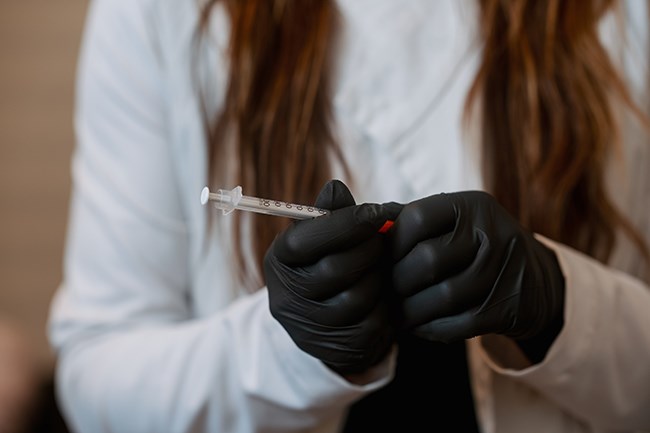
Recent Ohio Board of Pharmacy (“BOP”) guidance has highlighted compliance considerations surrounding the use of peptides in med spas.  Owners and operators of med spas will want to keep these considerations in mind as the use of peptides, especially GLP-1 medications, expands.  

Certain peptide drugs are FDA approved medications and can be used in med spas. However, not every peptide-based drug is created equal or is approval by the FDA. According to BOP guidance, some peptides, such as Retatrutide, are not currently FDA approved.[1] In addition, many peptide-based drugs, such as Semaglutide or BPC-157 peptides, cannot currently be compounded.[2]

The BOP conducts regular inspections of med spas and has revoked or suspended several med-spa’s TDDD licenses for violations surrounding the use of peptides. The most common violations are purchasing medication from an unlicensed seller, purchasing and utilizing medication marked “for research purposes only,” purchasing non-FDA approved medication, and obtaining foreign sourced medication.   

When determining which peptides your med-spa can utilize, it is important to keep the following considerations in mind:

  • Only use peptides that are FDA approved.
  • Do not purchase peptides from unlicensed sellers.
  • Do not use peptides labeled “for research purposes only.”
  • Ensure compliance with compounding requirements, including not making prohibited copies of peptides.
  • Properly store any peptides prior to their use.

If you have questions regarding BOP compliance or how using peptides may impact your practice, please contact BMD Member Jeana Singleton at jmsingleton@bmdllc.com or 330-253-2001.     


[1] Compounding of Glucagon-like Peptide-1 Drug Products (GLP-1) in Ohio, Ohio Board of Pharmacy, last accessed April 23, 2026.

[1] Ten Common Prescriber Clinic and Medical Spa Violations, Ohio Board of Pharmacy, last accessed April 23, 2026. See also, Compounding of Glucagon-like Peptide-1 Drug Products (GLP-1) in Ohio, Ohio Board of Pharmacy, last accessed April 23, 2026.


CMS Releases CY 2026 Medicare Physician Fee Schedule Final Rule with Key Payment and Telehealth Updates

CMS issued the CY 2026 Medicare Physician Fee Schedule Final Rule on October 31, 2025, with changes effective January 1, 2026. The Final Rule includes increases to the conversion factor, a new efficiency adjustment, updates to practice expense methodology, permanent telehealth policy changes, revised payment for skin substitutes, expanded rules for Part B drugs and biologicals, enhanced policies for Rural Health Clinics and Federally Qualified Health Centers, and new care management and behavioral health services.

Ohio Department of Medicaid Updates: Key Changes to Physician Reimbursement Rates in Early Parenthood

The Ohio Department of Medicaid has proposed amending Ohio Administrative Code Rule related to covered Medicaid reimbursements for physicians. Beginning on January 1, 2026, they are proposing an increase to rates for prenatal care, childbirth, and infant care and provider visits.

Name, Image, and Likeness Agreements in Healthcare

For example, some healthcare providers have begun to utilize "Name, Image, and Likeness" agreements to promote the brand they have created through their healthcare practice.  We have seen the most healthcare NIL activity with longevity and wellness providers, as well as orthopedics.

Compounding GLP-1 Drugs - Recent Updates

Recent guidance from the Ohio Board of Pharmacy (“BOP”) indicates that providers should generally use the FDA approved GLP-1 drug, rather than a non-FDA approved compounded version of the medication. Importantly, if a GLP-1 drug is commercially available, it cannot be copied through compounding. Currently, compounded copies of Tirzepatide and Semaglutide are not permitted.

Top Compliance Risks for Ohio Med-Spas in 2025

The Ohio Board of Pharmacy has increased inspections of med-spas holding Terminal Distributor of Dangerous Drugs (TDDD) licenses, with many facing enforcement actions in 2025. Common issues include purchasing from unlicensed distributors, improper drug storage, inadequate recordkeeping, and insufficient prescriber oversight. Understanding these risks and maintaining compliance can help protect your practice from penalties and license suspension.