The Ring Camera Conundrum: Navigating Neighbor Disputes in a Digital Age
Blog Post
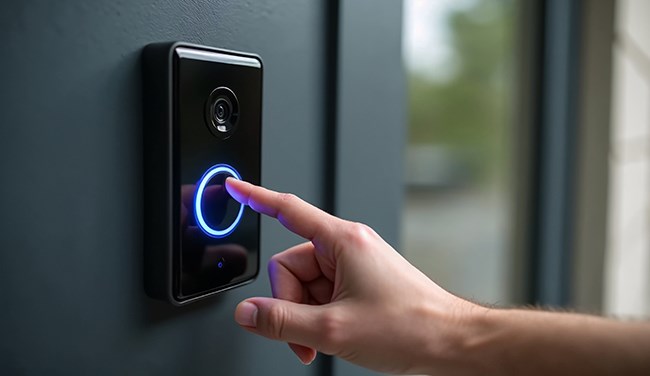
Have Ring cameras replaced fences when it comes to staying “good neighbors”?
For sure, but homeowners should be very careful because all-seeing Ring videos can be a blessing and a curse.
The old saying is “Good fences make good neighbors,” but fences cannot see what you do, they cannot hear what you say, and they cannot be edited to suit your needs.
Our firm has dealt with numerous neighbor disputes in the past several years: boundary disputes, security lights pointed into bedrooms, and Ring camera videos of nasty altercations when neighbors just cannot get along.
Here are three important tips to keep in mind if, when, you have a disagreement with your neighbor:
- Shake It Off: Neighbors can be very, very, very annoying. Pets may wander into areas they should not, leaves from their yard are blown into yours, and people say nasty things when they are in a bad mood.
When these day-to-day annoyances crop up, sometimes you just need to let it go. Maybe your neighbor was having a bad day. Maybe your neighbor was running late. Maybe you were having a bad week, month, or year. Shaking it off and moving off is a great first option.
- Ring Ring: Ring cameras are great at documenting bad behavior and cross words. It is generally a good idea to save Ring videos of various issues. Be sure to check your settings to determine how often video is captured and deleted. Save the footage and email or text it to yourself to lock in details on the date and time of the incident(s).
- Know Your Legal Options: When neighbor disputes come up, homeowners’ and tenants’ often call the police to intervene. In many instances, the police take down information and discuss the situation with residents. Thereafter, the police often tell residents to contact an attorney to assist them with the civil dispute.
If you are having issues with your neighbor, knowledge is power. Perhaps there is case law dealing with the exact same issue you are having. Perhaps it would be difficult to prove damages related to the issues you are having. You will not know until you consult with an attorney to describe the problems and discuss your options.
Neighbor disputes have been an issue for years and years. If you keep the three tips above in mind, you can potentially avoid issues, you can document problems that will not go away, and you can explore your options and rights.
Have questions about your rights in a neighbor dispute? Contact BMD Partner Scott Heasley at rsheasley@bmdllc.com for guidance.