USCIS Policy Updates: Implications for Business Immigration
Client Alert
Summary of Recent USCIS Policy Memos
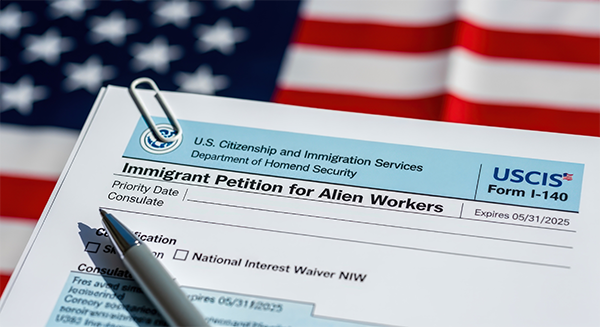
In August 2025, U.S. Citizenship and Immigration Services (USCIS) issued three key policy updates enhancing vetting, good moral character (GMC) evaluations, and scrutiny of "anti-American" conduct in immigration adjudications. These changes emphasize national security, fraud detection, and alignment with the current administration’s defined U.S. values. These policy memos will impact employers sponsoring foreign workers, including H-1B, L-1, EB visas, adjustments, and naturalization.
- August 1 Policy: Reestablishing Screening and Vetting Standards
USCIS updated its Policy Manual to clarify interview criteria for asylees, refugees, and derivatives adjusting to lawful permanent resident (LPR) status via Form I-485. Mandatory interviews are triggered by unverifiable identities, fraud indicators, FBI fingerprint hits suggesting inadmissibility, ties to state sponsors of terrorism, or national security concerns. This lowers the burden of what may be a terrorism-related ground to “an articulable concern.” The stated goal is to detect misrepresentation and public safety risks. - August 15 Policy: Restoring Good Moral Character Evaluations
This memorandum restores a holistic, totality-of-circumstances GMC standard for naturalization under INA § 316(a). Adjudicators must weigh positive factors (e.g., community involvement, stable employment) against disqualifiers (e.g., aggravated felonies, DUIs), including unlisted conduct contrary to societal norms. Rehabilitation evidence is considered, but the focus is on alignment with "average citizen" standards. No longer is the absence of negative factors enough; applicants must demonstrate positive factors. This memo is effective August 15, 2025. - August 19 Policy: Considering Anti-Americanism in Benefit Requests
USCIS now treats "anti-Americanism" as a basis for terminating or denying discretionary relief, such as employment-based visas. This sweepingly broad category defines the term as endorsing terrorist organizations, anti-American ideologies, or antisemitic terrorism. Defining “anti-Americanism” is obviously subject to the definitions of the ruling party at the time of the determination. This new policy consideration includes past compliance with immigration laws and expands social media vetting to screen for such activity. This policy is also effective immediately, applying to pending and future requests and renewal applications for those already in the U.S.
DHS References to Social Media Vetting: DHS and USCIS have integrated social media screening into immigration processes, requiring applicants to disclose handles on forms for review. Policies since April 2025 screen for antisemitism and anti-Americanism, potentially denying benefits or initiating revocations based on posts endorsing harmful ideologies. This extends to all benefit requests, including H-1B extensions and adjustments. Social media now screened for antisemitism/anti-American content. Even old conduct from years ago may now become relevant.
These policies signal a shift toward rigorous, ongoing scrutiny, where post-grant conduct could trigger reviews during renewals or extensions.
Key Risks and Best Practices for Employers
Risks for Current Workers:
- USCIS may apply enhanced standards to H-1B amendments/extensions, green card renewals, or conditional LPR removals. Social media posts could flag "anti-American" issues, leading to denials or revocations.
- Potential Outcomes: Notices to revoke status if fraud/security risks emerge, risking deportation.
Considerations for Future/New Workers:
- Expect mandatory interviews for fraud/national security red flags in new visa applications. Anti-Americanism via social media could deny entry or visas.
- Delays/Risks: Longer processing; denials for unverified identities or terrorism ties.
Action Steps and Best Practices:
- Train HR on policies; audit worker files for risks (e.g., GMC issues like DUIs) before filings.
- Monitor employees' online activity; advise against controversial posts and counsel on social media dos/don'ts.
- Screen candidates' social media pre-hire; ensure compliance with U.S. values in applications.
- Consult immigration counsel for filings and be proactive. Vetting can prevent issues. Stay updated: Policies apply retroactively to pending cases.
For guidance on how these updates may impact your business or immigration status, please contact BMD Member Robert Ratliff at raratliff@bmdllc.com. With over 25 years of trial experience in criminal defense and immigration law, Robert’s unique insights as a former Immigration Judge allow him to offer strategic guidance for clients facing complex immigration challenges.